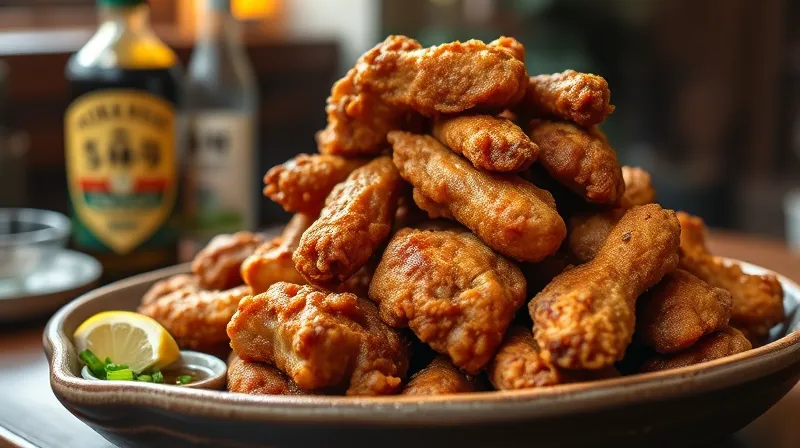
If you’re a fan of Japanese cuisine, you’ve likely heard of Karaage (Japanese fried chicken). But if you visit Hokkaido, the snowy northern island of Japan, you’ll see a different name on every izakaya menu: “Zangi.”
Is it just another name for Karaage? Or is it something entirely different?
For foodies planning a trip to Japan or looking to expand their cooking repertoire, understanding Zangi is the key to unlocking the soul of Hokkaido’s food culture.
In this article, we’ll explore what makes Zangi unique, its surprising origins, and the delicious “Hokkaido style” of eating it that you simply must try.
What is Zangi?
In short, Zangi is Hokkaido’s version of fried chicken. While it is similar to standard Karaage, Zangi is known for its bolder, richer flavor.
The definition isn’t strictly regulated by law, but locals generally distinguish it by these traits:
- Intense Seasoning: The chicken is marinated deeply in soy sauce, sake, ginger, and garlic before frying. The flavor is strong enough to eat without any dipping sauce (though locals love adding sauce—more on that later!).
- Batter: It often uses a batter mixed with egg, flour, and potato starch, creating a thick, crunchy crust that seals in the juices.
- Variety: While usually chicken, “Zangi” can also refer to fried octopus (Tako Zangi) or salmon (Sake Zangi). In Hokkaido, almost any seafood deep-fried with this strong seasoning can be called Zangi.
Zangi vs. Karaage: What’s the Difference?
Even the Japan Karaage Association acknowledges that in Hokkaido, fried chicken is called Zangi. However, there are subtle differences in preparation and culture.
| Feature | Hokkaido “Zangi” | Standard “Karaage” |
|---|---|---|
| Marination | Heavy. Soy sauce, garlic, and ginger are dominant. | Moderate. Salt or light soy sauce is common. |
| Eating Style | Often served with dipping sauces (Zantare). | Usually served with a lemon wedge or mayonnaise. |
| Flavor Profile | Punchy and savory. Goes perfectly with beer or rice. | Lighter, focusing on the texture and chicken flavor. |
The Local Consensus:
While the line is blurry, the general rule in Hokkaido is: “If the seasoning is strong and intense, it’s Zangi.”
How to Eat Like a Local: The “Sauce Culture”
This is where Zangi truly differs from Karaage. In Hokkaido, especially in the Kushiro region (the birthplace of Zangi), it is common to season the fried chicken even further after cooking.
1. Zantare (The Scallion Sauce)
This is the ultimate way to enjoy Zangi. “Zantare” is a sweet and sour soy-based sauce packed with chopped scallions and black pepper. It cuts through the grease and adds a refreshing kick. It’s similar to Chinese You Lin Ji, but with the robust foundation of Zangi underneath.
2. Worcestershire Sauce
Believe it or not, some locals and specialty shops drizzle Worcestershire sauce over their fried chicken. The spices in the sauce complement the garlic-soy marinade, making it an irresistible match for a bowl of white rice.
3. Mayonnaise
A guilty pleasure. The combination of the salty, savory Zangi and creamy mayonnaise is a calorie bomb, but it provides the energy needed to survive Hokkaido’s cold winters.
The Origin Story: A Lucky Name
Zangi originated around 1960 at a restaurant called “Torimatsu” in Kushiro City, Hokkaido.
According to the Ministry of Agriculture, Forestry and Fisheries of Japan, the name comes from the Chinese word for fried chicken, “Zha Ji” (炸鶏).
The owner of Torimatsu added the Japanese sound “n” (ん) in the middle to create “Za-n-gi.”
Why “n”? In Japanese culture, the “n” sound is associated with “Un” (運), which means “Luck.” The name was created with the hope that eating this dish would bring good fortune to customers.
Conclusion
Zangi is more than just fried chicken; it’s a “lucky” soul food packed with the bold flavors of the north.
- It features a richer marinade of soy sauce, ginger, and garlic compared to standard Karaage.
- It originated in Kushiro, Hokkaido, inspired by Chinese cuisine.
- Locals enjoy it with Zantare sauce or even Worcestershire sauce.
If you visit Hokkaido, don’t just ask for “fried chicken.” Order Zangi, and experience the depth of flavor that keeps locals warm during the long winters.
References
- Ministry of Agriculture, Forestry and Fisheries: Zangi (Hokkaido) (Japanese Website)
- Kushiro Lake Akan Travel Guide: Zangi (Japanese Website)
- Japan Karaage Association (Japanese Website)